Object Relations Theory
The Empty Cot: Grief, Guilt, and the Ghost in the Nursery
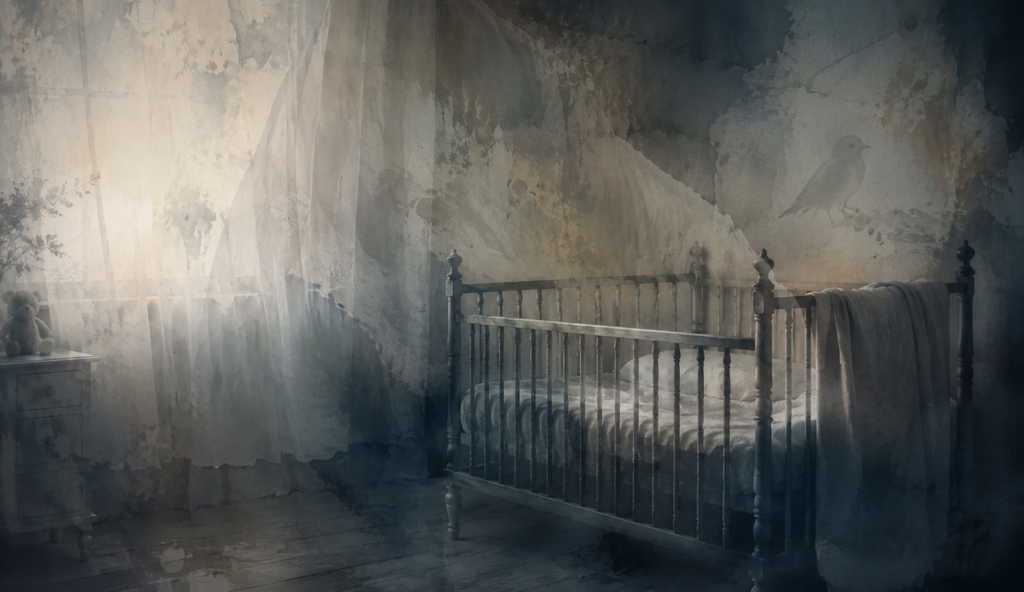
A fictional psychodynamic reflection on baby loss, maternal guilt and the ghosts that can haunt the nursery. Through Mandy’s session, The Empty Cot explores how grief can turn inward, making love feel dangerous and absence feel alive.
Read MoreThe Empty Chair
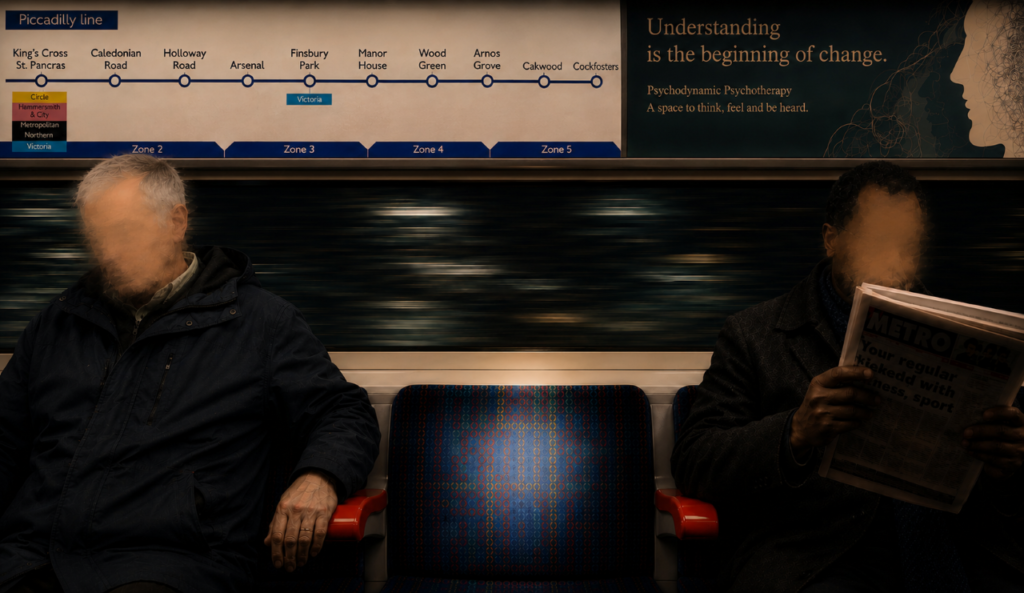
Many years ago, a photograph of an empty chair on a London Underground train caught my attention. Long after the photograph itself was lost, the image remained. Drawing on the work of Harry Guntrip, this reflection explores the hidden self, memory, and the question of how a life can appear full whilst something essential remains disconnected from it.
Read MoreMarried to a Narcissist

He believed he was living with a narcissist. The controlling moments, the lack of empathy, the recurring arguments all seemed to point in one direction. But what happens when therapy begins to reveal that the qualities we struggle with most in others may also exist, quietly, within ourselves?
Read MoreSongs in Therapy: Hurt

A fictional psychodynamic exploration inspired by the emotional world of Hurt. Through the character of Elias, this first piece in the Songs in Therapy series explores shame, loss, self-destruction, and the painful search to still feel emotionally alive.
Read MoreThe False Self: The Life You Learn to Live for Everyone Else

Leila has spent much of her life adapting to the emotional needs of others — understanding, accommodating, and quietly reshaping herself around relationships without fully noticing the cost. Drawing on Donald Winnicott’s idea of the false self, this reflective piece explores how emotional adaptation can gradually replace spontaneity, leaving someone outwardly capable and connected, while privately uncertain of what they truly feel or need.
Read MoreSplitting: The Part That Stayed Behind

This article explores splitting in relationships — the experience of feeling present while a part of you quietly withdraws. Through a fictional account, it looks at how early experiences shape this pattern and how it can continue to influence adult relationships.
Read More