Attachment Theory and Relationships: The Architecture Beneath the Floorboards – Part One
Attachment Theory and Relationships: The Architecture Beneath the Floorboards – Part One
(Part 1/6 of the Attachment Theory series)
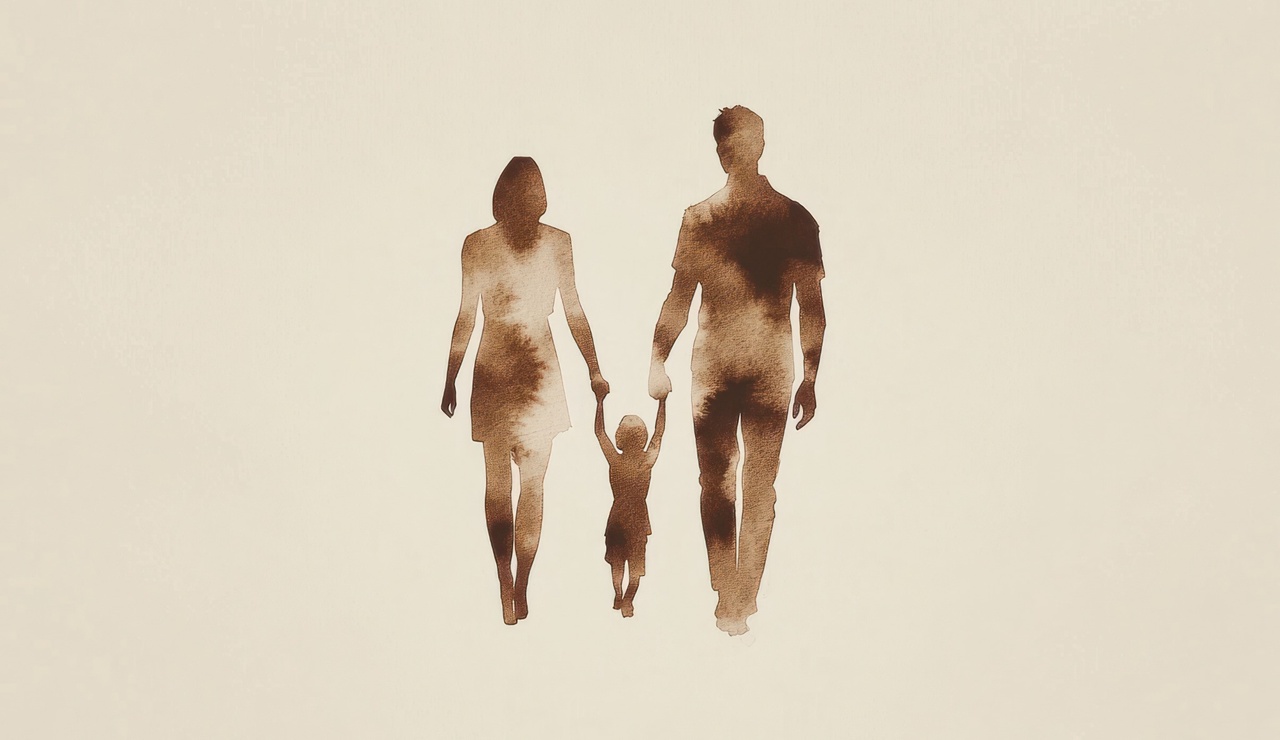
There are ways of loving that begin long before we know what love is. Before language, before memory, before we can form a single conscious thought, our bodies are already learning what it means to reach for someone and what it means to be met. We learn whether the world softens when we cry, or whether it turns away. We learn whether our needs are welcome, or whether they are too much.
We learn whether closeness feels like warmth, or like danger. These early lessons do not disappear. They settle into us like sediment, forming the invisible architecture beneath our adult relationships. They shape how we trust, how we cling, how we defend, how we grieve. They shape the stories we tell ourselves about who we are and what we deserve from others. They shape the ways we move towards others, and the ways we retreat.
This is the territory of attachment theory and relationships—a field that has grown from a simple observation into one of the most influential understandings of human development. It is a theory about survival, but also about tenderness. About biology, but also about longing. About the ways we are shaped by those who first held us, and the ways we continue to seek that holding throughout our lives.
In this opening piece, I want to explore the roots of attachment theory and relationships: where it came from, what it teaches us, and why it matters. In the parts that follow, we will meet four fictional characters—composites drawn from the emotional landscapes many people inhabit—each embodying one of the four main attachment patterns. Through their stories, we will see how attachment shapes a life from the inside. But first, we return to the origins of the theory itself.
John Bowlby and the Radical Idea That Love Is Survival
When John Bowlby began writing about attachment in the mid-twentieth century, he was challenging many of the dominant psychological ideas of his time. At the time, prevailing theories often emphasised behaviour and conditioning, or focused primarily on internal drives. Bowlby noticed something different.
Working with children who had been separated from their caregivers during wartime, he noticed a pattern: protest, despair, detachment. These were not random emotional reactions. They were organised responses to the loss of a primary attachment figure.
Bowlby proposed something revolutionary: that the bond between a child and their caregiver is not sentimental, nor merely psychological—it is biological. It is a survival system.
The attachment system, he argued, is designed to keep the infant close to the caregiver. When the caregiver is near and attuned, the child feels safe enough to explore. When the caregiver is absent or unresponsive, the child becomes distressed and seeks proximity. This is not weakness. It is evolution.
From these early experiences, children develop what Bowlby called internal working models—deep, often unconscious templates about the self (“Am I worthy of love?”) and about others (“Are people reliable? Will they come back?”).
These models guide how we relate throughout our lives. They are not fixed, but they are powerful. Bowlby’s work reframed attachment as a lifelong process. We do not outgrow our need for connection. We simply learn new ways of seeking it—or avoiding it.
Mary Ainsworth and the Discovery of Patterns
If Bowlby laid the foundation, Mary Ainsworth built the structure. Her observational work in Uganda and later in Baltimore revealed something subtle but profound: the quality of caregiving mattered. Not in a moralistic sense, but in a relational one.
Children whose caregivers were consistently attuned—responsive to cues, emotionally available, able to soothe—developed a sense of security. Those whose caregivers were inconsistent, intrusive, rejecting, or frightening developed different strategies.
Ainsworth created the Strange Situation, a structured observation in which infants experienced brief separations and reunions with their caregiver. What she discovered were three distinct patterns of attachment:
- Secure: The child uses the caregiver as a secure base, is distressed by separation, and is comforted upon reunion.
- Avoidant: The child appears unbothered by separation and avoids the caregiver upon return—an adaptation to emotional unavailability.
- Ambivalent / Anxious: The child is highly distressed by separation and difficult to soothe upon reunion—an adaptation to inconsistent caregiving.
Later, Mary Main and Judith Solomon identified a fourth pattern:
- Disorganised: The child displays contradictory, disoriented, or fearful behaviours—often a response to caregiving that is frightening or unpredictable.
These patterns are not diagnoses. They are strategies—creative, adaptive responses to the relational environment. They are the child’s best attempt to stay connected to the caregiver, even when connection is painful or confusing.
Attachment Theory and Relationships Across the Lifespan
Attachment does not simply end in childhood. The patterns established early in life become the emotional grammar we use in adulthood. Attachment theory and relationships are closely connected, as the emotional patterns we form early in life often shape how we experience trust, intimacy, and closeness as adults. They shape how we interpret closeness, how we manage conflict, how we express need, and how we protect ourselves from hurt.
How Attachment Theory Shapes Adult Relationships
A securely attached adult tends to trust that relationships can be a source of comfort and stability. They can depend on others without losing themselves. They can be alone without feeling abandoned.
An avoidantly attached adult may value independence to the point of emotional distance. They may struggle to express vulnerability, preferring self-sufficiency over closeness. They may feel intruded upon by intimacy.
An anxiously attached adult may fear abandonment, reading small shifts in tone or attention as signs of rejection. They may cling, protest, or over-function in relationships, hoping to secure love through effort.
A disorganised adult may experience relationships as chaotic or overwhelming. They may long for closeness but fear it at the same time. They may struggle with identity, trust, and emotional regulation.
These patterns are not character flaws. They are survival strategies that once made perfect sense. But as adults, they can limit our capacity for connection, intimacy, and self-understanding.
The Intergenerational Transmission of Attachment
Attachment is not only personal—it is generational. Parents pass down their attachment patterns not through intention, but through the emotional atmosphere they create.
A parent who was never soothed may struggle to soothe. A parent who learned to suppress emotion may find their child’s feelings overwhelming. A parent who grew up in chaos may recreate chaos without meaning to.
This is not about blame. It is about recognition.
Children learn not only from what is done to them, but from what is felt around them. They absorb the unspoken rules of the family:
- “We don’t talk about feelings.”
- “We keep the peace at all costs.”
- “We pretend everything is fine.”
- “We survive by staying small.”
- “We survive by being perfect.”
These rules become internal working models. And unless they are examined, they continue to shape relationships across generations.
Attachment Through a Psychodynamic Lens
In psychodynamic therapy, attachment is not an abstract concept. It is something that unfolds in the room, moment by moment. The therapeutic relationship becomes a living laboratory where old patterns re-emerge—not as pathology, but as communication.
A client who grew up with inconsistent caregiving may fear that the therapist will lose interest or withdraw. A client with avoidant strategies may feel exposed by the therapist’s curiosity. A client with disorganised attachment may experience the therapist as both comforting and threatening, sometimes in the same session.
These reactions are not obstacles. They are the work.
The therapist becomes a potential secure base—not by being perfect, but by being steady, attuned, and reflective. By noticing patterns without judgement. By surviving the client’s fear, anger, longing, or silence. By offering a relationship in which old wounds can be felt safely enough to heal.
Attachment theory and psychodynamic therapy share a central belief: that healing happens in relationship. From this perspective, attachment theory and relationships offer a powerful lens for understanding why certain relational patterns repeat throughout a person’s life. Not through advice, but through experience. Not through explanation, but through connection.
Introducing the Four Characters
In the next four parts of this series, we will meet four fictional characters. They are not based on any real individuals. They are composites—psychological portraits designed to illuminate how attachment patterns shape a life.
- Daniel, who was exiled by his parent for who he loved.
- Mara, who learned to survive by going silent.
- Elena, who grew up in the shadow of a brother.
- Thomas, who loved securely and now grieves deeply.
Each character embodies one attachment pattern. Their stories will reveal how these patterns form, how they protect, and how they sometimes limit. They will show how attachment is not simply a theory, but a lived experience.
Closing: An Invitation
Attachment theory is not about categorising people. It is about understanding them. Understanding attachment theory and relationships can help us recognise the deeper emotional patterns that shape how we move towards others or protect ourselves from closeness.
It is about recognising the logic in our defences, the intelligence in our adaptations, and the tenderness in our longing. It is about seeing the child within the adult—not to infantilise, but to humanise.
As you move through the next parts of this series, I invite you to read these stories not as case studies, but as windows into the emotional worlds many people inhabit. You may recognise parts of yourself. You may recognise parts of someone you love. You may recognise patterns that have shaped your life in ways you never fully understood.
In therapy, these patterns are not simply described—they are felt, explored, and gradually understood within the safety of a relationship.
Attachment is the architecture beneath the floorboards.
Other Blog Posts in the Attachment Theory Series
Part 1 – Attachment Theory and Relationships: The Architecture Beneath the Floorboards
Part 2: Disorganised Attachment: The House That Wouldn’t Hold Me
https://www.therapywithalexis.uk/disorganised-attachment-relationships-part-two/
Part 3: Avoidant Attachment: The Girl Who Learned to Disappear
https://www.therapywithalexis.uk/avoidant-attachment-relationships-part-three/
Part 4: Anxious Attachment: The Girl Who Feared Being Unchosen
https://www.therapywithalexis.uk/anxious-attachment-relationships-part-four/
Part 5: Secure Attachment: The Man His Father Taught Him to Be
https://www.therapywithalexis.uk/secure-attachment-in-relationships-part-five/
Part 6: Introducing esa — The One Who Made Peace With Their Ghosts – A Closing Chapter for a Lifelong Journey.
https://www.therapywithalexis.uk/earned-secure-attachment-in-relationships-part-six/